Pi network cryptocurrency
A cryptocurrency’s market cap increases when its price per unit increases. Alternatively, an increase in circulating supply can also lead to an increase in market cap https://ippwatch.info/. However, an increase in supply also tends to lead to a lower price per unit, and the two cancel each other out to a large extent. In practice, an increase in price per unit is the main way in which a cryptocurrency’s market cap grows.
Cryptocurrency was invented by Satoshi Nakamoto, which is the pseudonym used by the inventor of Bitcoin. Even though digital currency concepts existed before Bitcoin, Satoshi Nakamoto was the first to create a peer-to-peer digital currency that reliably solved the issues facing previous digital money projects. Bitcoin was initially proposed in 2008 and launched in early 2009. Following the invention of Bitcoin, thousands of projects have attempted to imitate Bitcoin’s success or improve upon the original Bitcoin design by leveraging new technologies.
With a blockchain, it’s possible for participants from across the world to verify and agree on the current state of the ledger. Blockchain was invented by Satoshi Nakamoto for the purposes of Bitcoin. Other developers have expanded upon Satoshi Nakamoto’s idea and created new types of blockchains – in fact, blockchains also have several uses outside of cryptocurrencies.
Cryptocurrency prices
Even though market cap is a widely used metric, it can sometimes be misleading. A good rule of thumb is that the usefulness of any given cryptocurrency’s market cap metric increases in proportion with the cryptocurrency’s trading volume. If a cryptocurrency is actively traded and has deep liquidity across many different exchanges, it becomes much harder for single actors to manipulate prices and create an unrealistic market cap for the cryptocurrency.
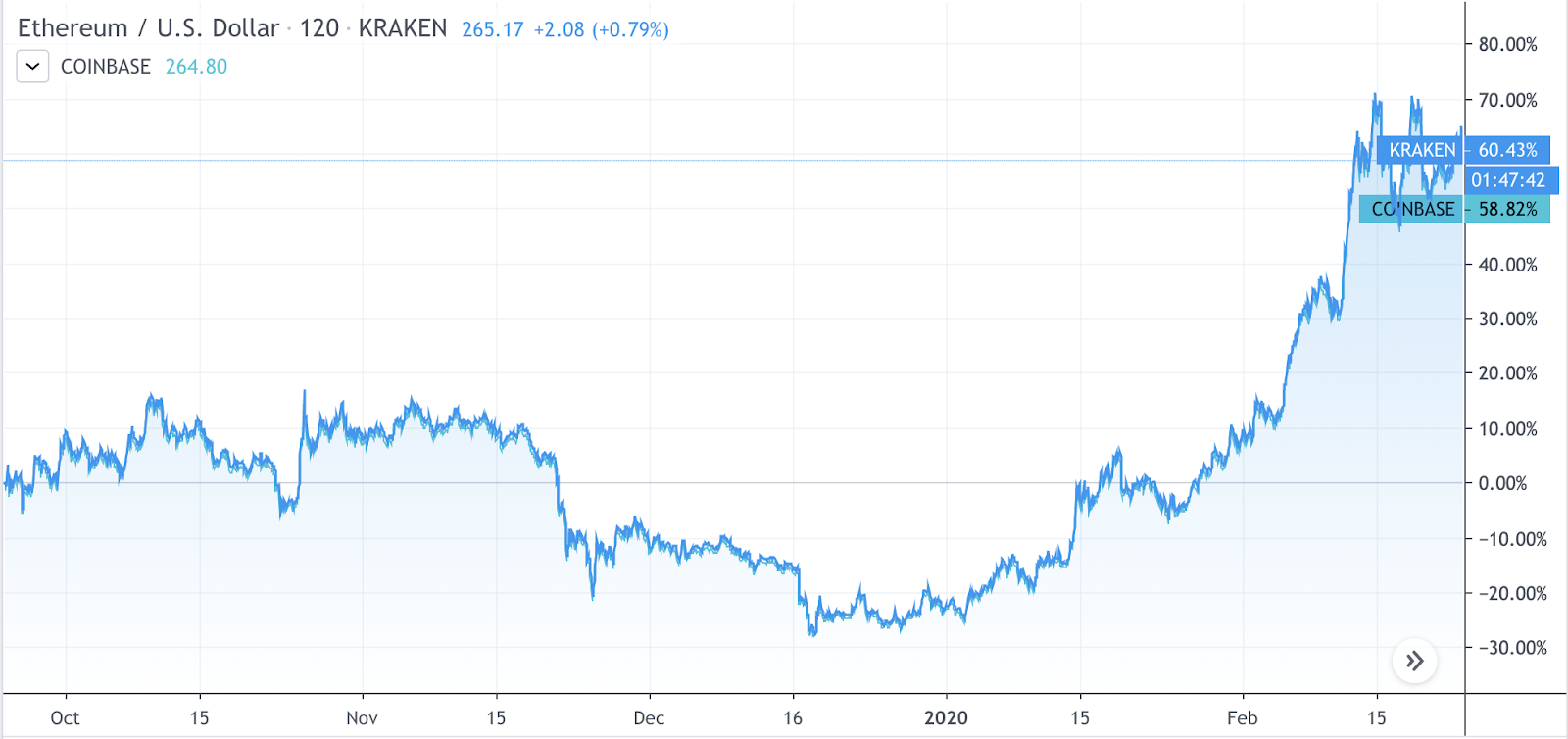
Each of our coin data pages has a graph that shows both the current and historic price information for the coin or token. Normally, the graph starts at the launch of the asset, but it is possible to select specific to and from dates to customize the chart to your own needs. These charts and their information are free to visitors of our website. The most experienced and professional traders often choose to use the best crypto API on the market. Our API enables millions of calls to track current prices and to also investigate historic prices and is used by some of the largest crypto exchanges and financial institutions in the world. CoinMarketCap also provides data about the most successful traders for you to monitor. We also provide data about the latest trending cryptos and trending DEX pairs.
However, Bitcoin is far from the only player in the game, and there are numerous altcoins that have reached multi-billion dollar valuations. The second largest cryptocurrency is Ethereum, which supports smart contracts and allows users to make highly complex decentralized applications. In fact, Ethereum has grown so large that the word “altcoin” is rarely used to describe it now.
Cryptocurrencies are digital assets that are secured by cryptography. They use decentralized networks to transfer and store value, and the transactions are recorded in a publicly distributed ledger known as the blockchain. Transactions are verified by network nodes and recorded in a public distributed ledger known as the blockchain. Cryptocurrency transactions are secure, and are verified by a decentralized network of computers.
An altcoin is any cryptocurrency that is not Bitcoin. The word “altcoin” is short for “alternative coin”, and is commonly used by cryptocurrency investors and traders to refer to all coins other than Bitcoin. Thousands of altcoins have been created so far following Bitcoin’s launch in 2009.
Let’s quickly calculate the market cap of Bitcoin as an example. The Bitcoin price is currently $ 106,283 and there are 19.87 million BTC coins in circulation. If we use the formula from above, we multiply the two numbers and arrive at a market cap of 2,111.59 billion.
Cryptocurrency news
Cryptocurrencies are digital or virtual currencies that use cryptographic methods to secure transactions and control the creation of new units. Unlike traditional fiat currencies, which are issued and regulated by central authorities such as governments or central banks, cryptocurrencies operate on decentralized networks. These networks often employ blockchain technology, a public ledger system that records all transactions transparently and immutably.
Our Crypto news provides comprehensive updates on various aspects of the cryptocurrency and blockchain ecosystem. It includes real-time price movements and market analysis for major cryptocurrencies like Bitcoin and Ethereum, detailing their performance trends and trading volumes. Regulatory developments are also highlighted, covering new laws, enforcement actions, and legal issues impacting the industry, both domestically and internationally. Additionally, news often focuses on technological advancements, such as upgrades to blockchain networks, new cryptocurrency launches, and innovations in decentralized finance (DeFi) and non-fungible tokens (NFTs). This coverage helps investors and enthusiasts stay informed about the dynamic and rapidly evolving world of digital assets.
undefined
undefined
undefined